
As a natural calcium silicate mineral powder, wollastonite powder is becoming a cutting-edge material in the biomedical field due to its unique physical and chemical properties. Its fibrous or needle like structure, high aspect ratio, low toxicity, and excellent biocompatibility provide new possibilities for tissue engineering, drug delivery, and development of bioactive materials.
1、 Tissue Engineering and Bone Repair: The Revolution of Biomimetic Scaffolds
The application of wollastonite powder in bone tissue engineering is particularly prominent. Research has shown that its surface properties can induce the nucleation of bone like hydroxyapatite, forming a negatively charged surface in simulated body fluids through ion exchange reactions, attracting calcium ions and promoting hydroxyapatite deposition, thereby accelerating bone integration. This mechanism makes it an ideal candidate material for artificial bone scaffolds, which can more effectively simulate the natural bone microenvironment and reduce the inflammatory response around the implant compared to traditional titanium alloy coatings.
Bone regeneration scaffold: A porous scaffold can be made by combining wollastonite powder with collagen, which supports the adhesion and proliferation of osteoblasts. Its high porosity and connectivity facilitate vascularization and promote the regeneration of defective bone tissue.
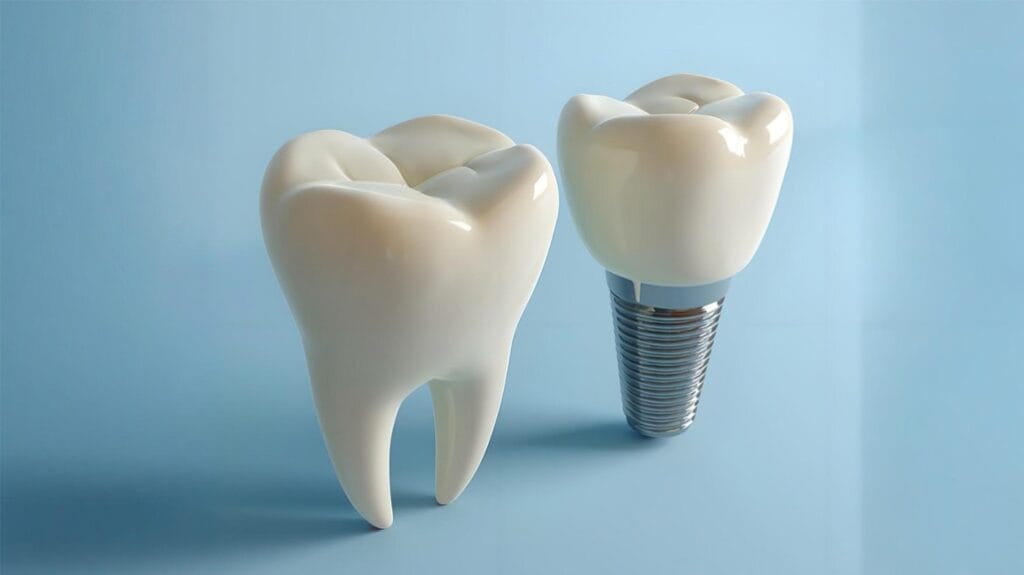
Dental implant coating: As a plasma sprayed coating material, wollastonite can enhance the surface biological activity of implants, shorten the bone bonding cycle, and reduce the risk of long-term loosening.
2、 Drug delivery system: precise release carrier
The adsorption and dispersibility of wollastonite powder make it a core material for drug carrier design. Through surface modification (such as silane coupling agent treatment), antibiotics, anti-tumor drugs, or growth factors can be loaded to achieve targeted release.
Extended release formulation: In orthopedic implants, wollastonite based carriers can locally release antibiotics, prevent postoperative infections, and avoid the side effects of systemic medication.
Gene therapy vector: Its nanoscale needle like structure can efficiently bind to DNA or RNA for gene editing or silencing therapy, such as BMP-2 gene delivery that promotes bone healing.
3、 Bioactive Materials: Expansion from Dentistry to Soft Tissue
The chemical stability and biological activity of wollastonite powder have promoted cross disciplinary applications:
Dental restorative materials: Adding composite resins as fillers can enhance wear resistance and aesthetics, while releasing calcium ions to promote dentin remineralization and treat dental caries.
Soft tissue regeneration: In skin or cartilage engineering, wollastonite fiber scaffolds can guide directional cell growth and stimulate tissue regeneration in combination with growth factors.
4、 Challenges and Future Directions
Despite its broad prospects, the application of wollastonite powder still faces challenges: further breakthroughs are needed in purity control for large-scale production, long-term biosafety assessment, and interdisciplinary technology integration. Future research will focus on:
Intelligent responsive materials: Develop pH or enzyme responsive silica fume carriers to achieve on-demand drug release.
3D printing technology: combining with bioink to construct personalized tissue engineering scaffolds.
Nanomodification: Enhancing biological activity through structural optimization and expanding to neural or cardiovascular repair.
The potential of wollastonite powder is gradually being unlocked, and its innovative applications not only drive biomedical materials towards biomimicry and functionalization, but also provide low-cost and high-performance solutions for regenerative medicine.